This week in Project Based Science we took some time to talk about black history month and watch the film Glory road, we were given some questions to respond to as a part of the assignment, these are my responses
Glory road is set during the peak of the civil rights movement, what situations in the movie stood out to you as being very different from how people are treated today?
1
Much from this time period is different; I think the most clear example of which is the player being beaten in the bathroom simply because of his skin’s melanin concentration. Animosity still exist, I won’t try and deny that, however it is no longer socially acceptable. It is held privately and cannot be openly stated. This throws an interesting dynamic on the issue. Despite what people may feel, they cannot simply flaunt it openly, they will be judged, and the justice system has come leaps and bounds forward in offering blacks the same protection as their white counterparts. That said violence like this is not what it was.
Coach Don Haskins and the team members are challenged to confirm their core beliefs and values, and to stand up for what they know is right, have you ever stood up for something you know is right?
2
Note - Names have been changed to protect the innocent
The most significant example from my recent life in standing up for what I believe is right against opposition is the story of Gustavo Albertson. I have known Gustavo since the 6th grade, he was for quite some time one of my best friends. He is a brilliant individual, rife with potential, but lacking in motivation. Because of this, he has made some very poor decisions over the years. After dropping out of high school to attend CC, and sequentially dropping out of CC, his life spiraled into a terrible cycle of drug use, physical and emotional abuse of those close to him, and very poor hygiene. He was dating a girl, Kathryn. Victoria was homeless before she met Taylor, and was soon living with him. I met her while hanging out with Gustavo on one of his better days. Things went well with them for some time, however soon they began to deteriorate. Gustavo became constantly angry, lashing out it fits of verbal and sometime physical abuse. He became incredibly paranoid of the slightest things, jealous of any contact she had with the outside world, not an hour going by without brash accusations of infidelity and treachery. I saw what was happening to Taylor, as he was decaying, and what he was doing to Kathryn. I could not permit that to go on any longer, I began to interfere. I talked to them both, trying to get Victoria to see what she was doing to herself by staying with him, trying to get Gustavo to see what he was doing to her. After ages of discontented stagnancy, one particularly large fight lead to their first “break up” for a few days I could see Victoria happy for the first time since the first day I had met her, soon they went back to each other, again unhappy, again in frequent, violent outbursts daily. I began to interfere more, eventually splitting them up. I know many people may think it was not my place to dabble in other peoples affairs. However I know that I could not sit idly by and watch two people that I love destroy each other. Abuse is one thing I simply can not condone; anyone who would sit by and just allow this destruction to go on is nothing more than a coward. Now that they are broken up I have never seen Victoria happier, she is becoming the person she used to be, she is pulling away from her addictions that she used to use as a crutch against the mess her life used to be, she is working, and she is back in favor with her family who had previously ostracized her. To do this, I had to jeopardize one of my longest standing friendships, Gustavo has not forgiven me, I don’t know if he ever will, but the person he is now is not the friend I used to hold, and not a person I can wrap myself up in.
In your opinion, why is the story behind glory road such an important story to tell?
3
The story of the movie glory road tells about the struggle for acceptance of a group of black students in a predominantly white world of basketball at the time. Nothing had ever been done before anywhere near the extent of what they did. By winning the national championships they showed the nation that blacks were just as capable on the court as whites, and in this case, even better. Their fight was not simply for a trophy, but for the standing of their race. This was an important battle to fight. Because this story is more than just a basketball game, because of what it represented for the black community and for Division 1 basketball, it is worth telling. This story is still relevant today as a reminder of what we came from, where we are going to, and what it took to get where we are today as a society.
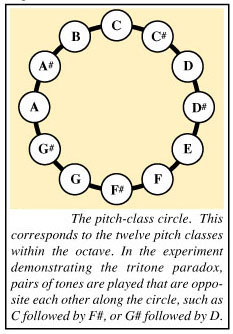 The most widespread theory explaining this phenomenon is how the brain organizes the perception of musical notes.